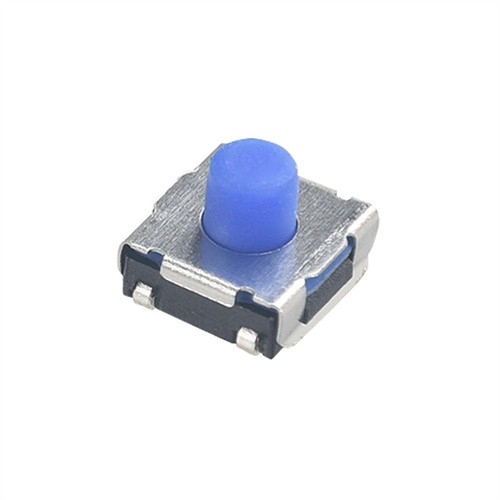
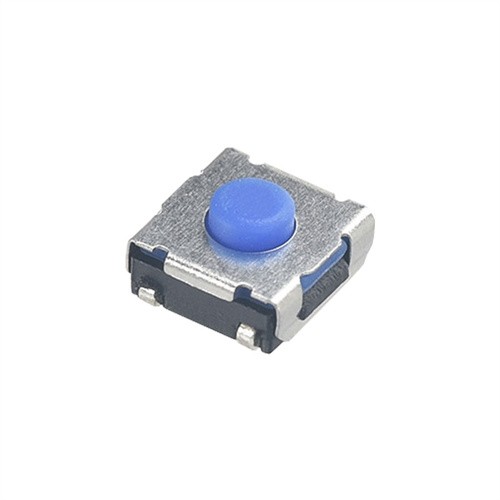
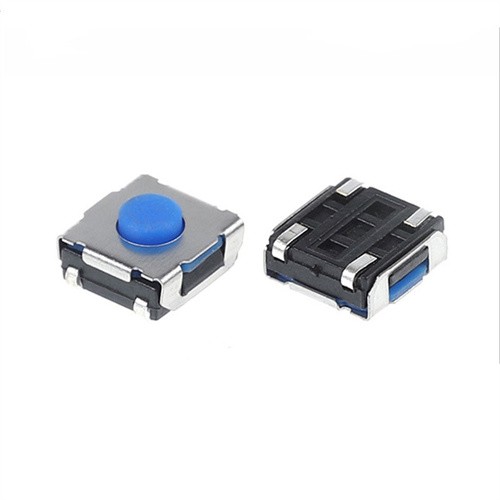
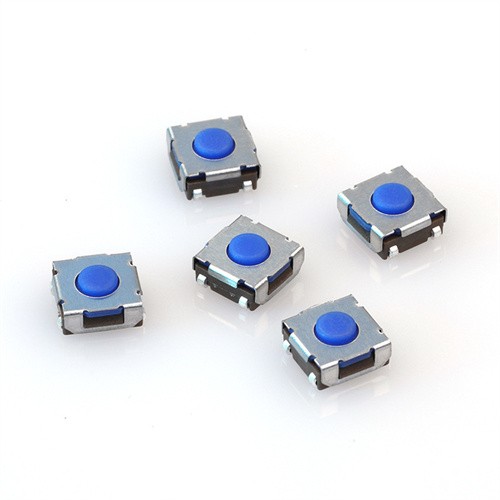
Silicone Tact Switch
A waterproof dip tact switch is a type of switch that is used in applications where water or other fluids may come in contact with it, such as outdoor electronic devices, industrial equipment, and medical instruments.
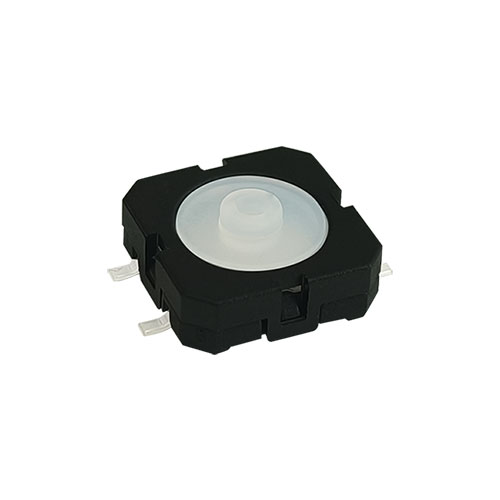
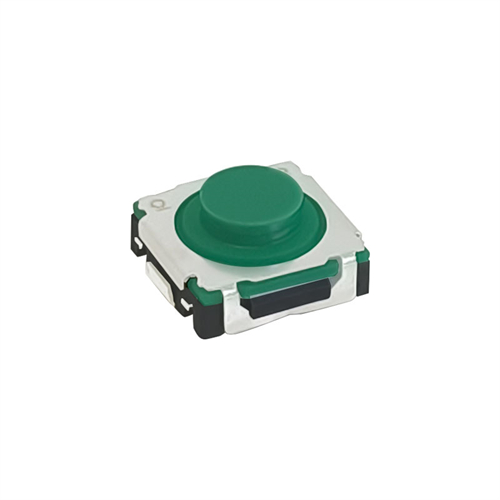
A Silicone Tact Switch is a good option when the button needs a soft pressing surface and a different feel from a standard plastic or metal actuator. The silicone material can be used as the outer button or key surface, giving the user a softer touch during operation. It is commonly considered for electronic control panels, keyboards, remote controls, medical equipment, industrial instruments, and other products with frequent button input.
For an engineer, the first thing to confirm is the switch size and installation space. The available PCB area, button spacing, actuator height, and panel opening all affect the final design. A silicone button that is too large may interfere with nearby keys, while one that is too small may not provide enough pressing area. The switch should therefore be checked together with the PCB and housing rather than selected from the button size alone.
Choosing the Right Silicone Button
The shape of the silicone key affects how the product feels in daily use. Round, square, flat, raised, and other button shapes can be used depending on the control panel. A raised key is easier to find by touch, while a flatter design can give a cleaner panel appearance.
The operating force and travel are also worth checking. These two specifications have a direct effect on how the button feels. For equipment with many repeated inputs, a suitable operating force can make the controls more comfortable. Engineers should test the actual switch sample rather than relying only on numbers, especially when the button is part of the user's main interface.
Installation and Circuit Matching
Before ordering, confirm whether the silicone tact switch is intended for PCB mounting, membrane-style operation, or use with a separate contact structure. The terminal arrangement and electrical specifications must also match the PCB.
If the switch will be installed inside a closed enclosure, the available vertical space should be checked carefully. The button height, cap position, and distance between the PCB and panel can affect whether the finished assembly works correctly.
Where It Can Be Used
Silicone tact switches are suitable for products where users interact with buttons regularly. Typical applications include control panels, audio equipment, remote controls, test instruments, medical devices, industrial controllers, and consumer electronics.
They are also useful when the product needs a softer button surface or a custom key shape. For products with multiple buttons, different silicone key shapes or markings can help users identify individual functions more easily.
What Matters When Buying in Volume
For B2B buyers, the sample is only the first step. During mass production, consistent dimensions, button feel, material quality, and stable supply are equally important. A small change in button height or operating force can affect the assembly and user experience across an entire production run.
Rucoe provides tact switch solutions for different electronic applications and can work with customers on size, actuator design, operating force, terminal configuration, and other project requirements. OEM and ODM support is available for products that need specifications beyond a standard model. Samples can also be used to check the actual fit and pressing feel before bulk production.
For a new project, it is better to select the silicone tact switch together with the PCB, enclosure, and user interface requirements. This helps engineers avoid changes later and gives purchasing teams a clearer specification for long-term sourcing.
INQUIRY
CATEGORIES
LATEST NEWS
CONTACT US
Contact: Bella
Phone: 15999819066
E-mail: rucoe@rucoe.com
Whatsapp:+86-15999819066
Add: Taoyuan Street, Nanshan, Shenzhen