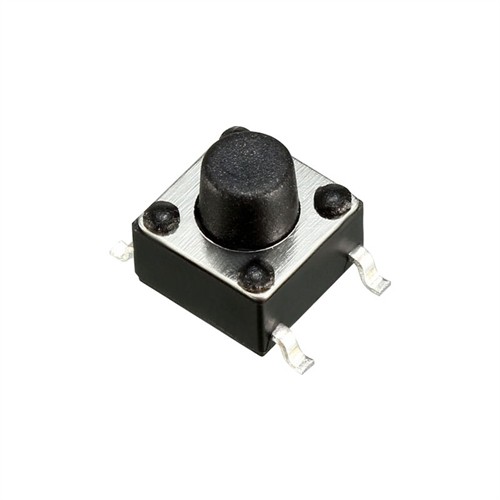
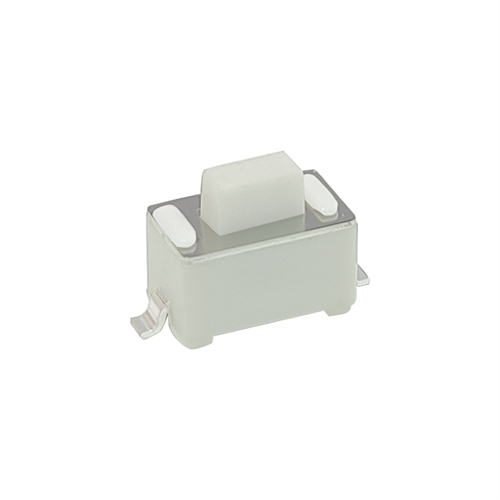
Push Button Switch SMD
A Push Button Switch SMD is designed for electronic products that use surface-mount PCB assembly
A Push Button Switch SMD is designed for electronic products that use surface-mount PCB assembly. Instead of passing through the circuit board like a traditional through-hole switch, the SMD switch is placed directly on the PCB surface and soldered to its pads. This makes it a useful choice for manufacturers working with compact boards and automated SMT production.
For an engineer, the first concern is usually whether the switch will fit the existing PCB. The overall body size is important, but it is not the only measurement to check. The PCB footprint, terminal position, switch height, actuator dimensions, and distance between nearby components all need to match. A switch that looks small enough may still cause assembly problems if the terminals do not line up with the board.
The button height and pressing surface also affect the finished product. A low actuator can work well for internal controls, while a higher or extended actuator may be needed when the switch is operated through an enclosure. Different cap shapes can also be added depending on the panel design. For frequently used buttons, operating force and travel should be tested because they directly affect how the user feels each press.
SMD push button switches are commonly used for reset controls, menu selection, start functions, mode switching, and other short-duration inputs. Typical applications include audio equipment, communication products, measuring instruments, industrial controllers, consumer electronics, and compact control boards.
INQUIRY
CATEGORIES
LATEST NEWS
CONTACT US
Contact: Bella
Phone: 15999819066
E-mail: rucoe@rucoe.com
Whatsapp:+86-15999819066
Add: Taoyuan Street, Nanshan, Shenzhen